

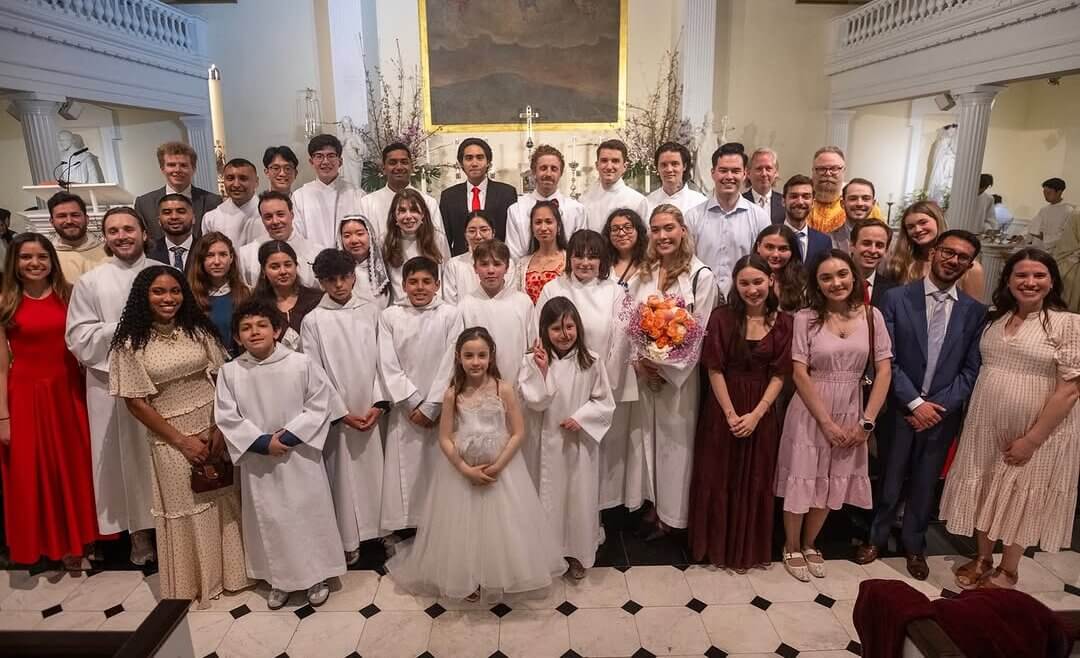
Dominican friars in the United States and the United Kingdom are reporting a notable rise this Easter in adults entering the Catholic Church. Across various ministries, friars describe growing numbers of catechumens and candidates, many of them young people.
In San Francisco, that trend is visible in especially striking numbers. At St. Dominic’s Parish, nearly 100 people will enter the Church this Easter, a development fr. Michael Hurley, OP, described in both pastoral and spiritual terms.
“This Easter at St. Dominic’s, we will welcome nearly one hundred into the Church through Baptism, Confirmation, and Eucharist. It is a remarkable grace,” he said.
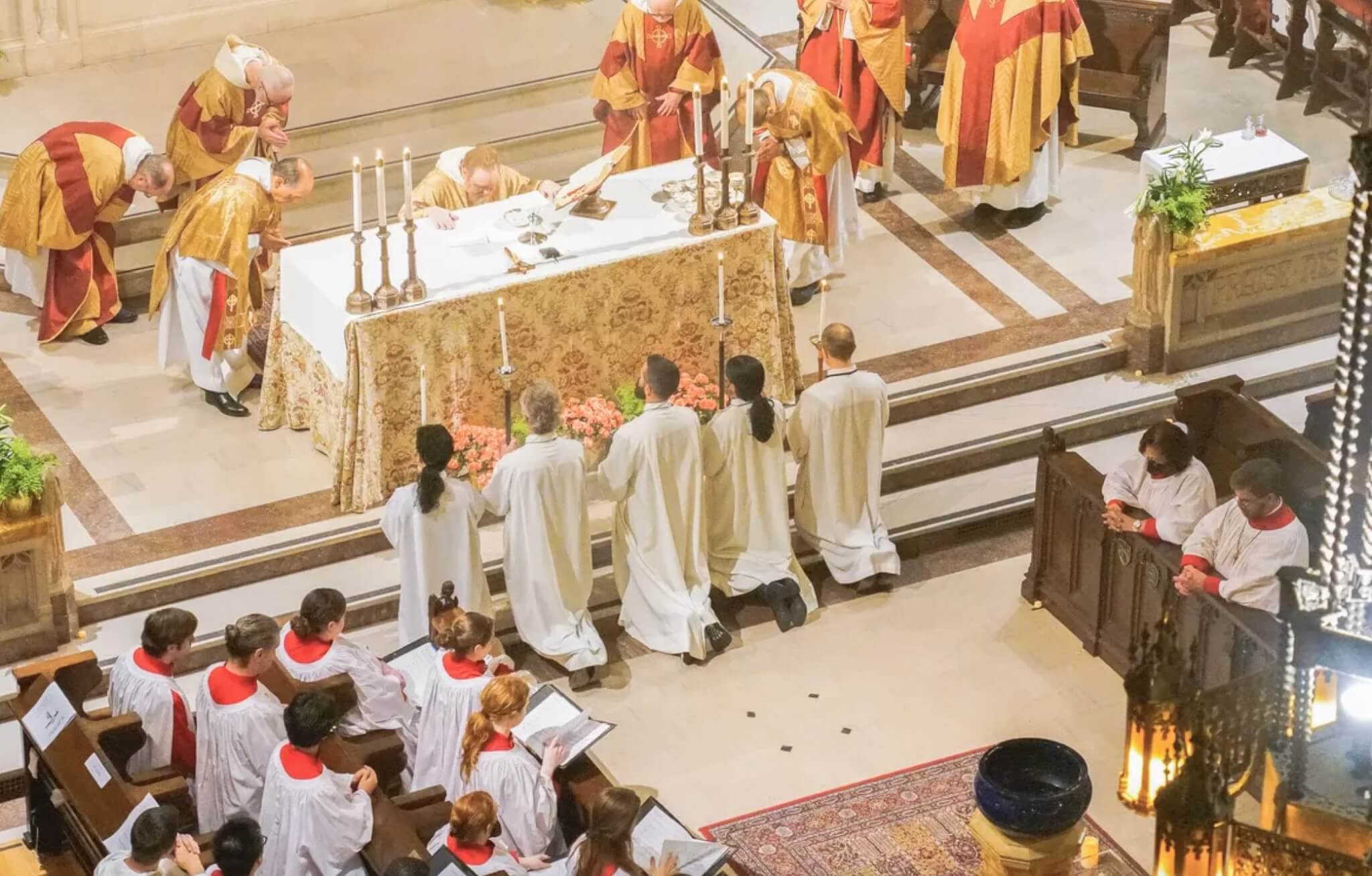
A quiet springtime in San Francisco
The growth is all the more notable given the city’s secular reputation. Yet Hurley said that, in the center of San Francisco, St. Dominic’s is witnessing what he called “a quiet springtime of faith.”
“Our parish motto is ‘Radiating the joy of the Gospel in the heart of the city,’ and it truly feels as though that joy is drawing people in,” he said.
For Hurley, the appeal of the parish is not reducible to one factor. He described people arriving with a spiritual hunger shaped by the conditions of contemporary life, and finding in the Church something more stable, beautiful and demanding than what the culture usually offers.
“As a priest, it is both humbling and exhilarating. Week after week I meet men and women, many of them young, who have been searching for meaning amid the noise of our cultural moment. In an age that has often turned politics into religion and left many, especially young men, without clear examples of virtue, the Church offers something both deeply human and divine.”
That search, he suggested, often begins with beauty but deepens into belonging. At St. Dominic’s, solemn liturgy, sacred music, preaching and fraternity work together to form an environment in which people can imagine a different kind of life. As Hurley put it, many are first drawn by the sense that something real is happening in the parish; they remain because that first attraction becomes an encounter with Christ and a community shaped by sanctity. “They stay because they encounter Christ and find a community serious about becoming saints together,” he said.
An unexpected upturn in Britain
A similar pattern is emerging in the United Kingdom. Fr. Toby Lees, OP, of Radio Maria England said the shift has been significant enough to surprise even those who had prepared themselves for continued institutional decline.
“It’s an exciting time to be a priest,” he said. “It’s not something that I had humanly hoped for or even suspected might happen even just a few years ago, but the Holy Spirit is definitely moving.”
Lees said he has seen the signs not only in Dominican life, but also across the London dioceses and other parts of the country. “Larger numbers than in many decades are being received and baptised this Easter,” he said.
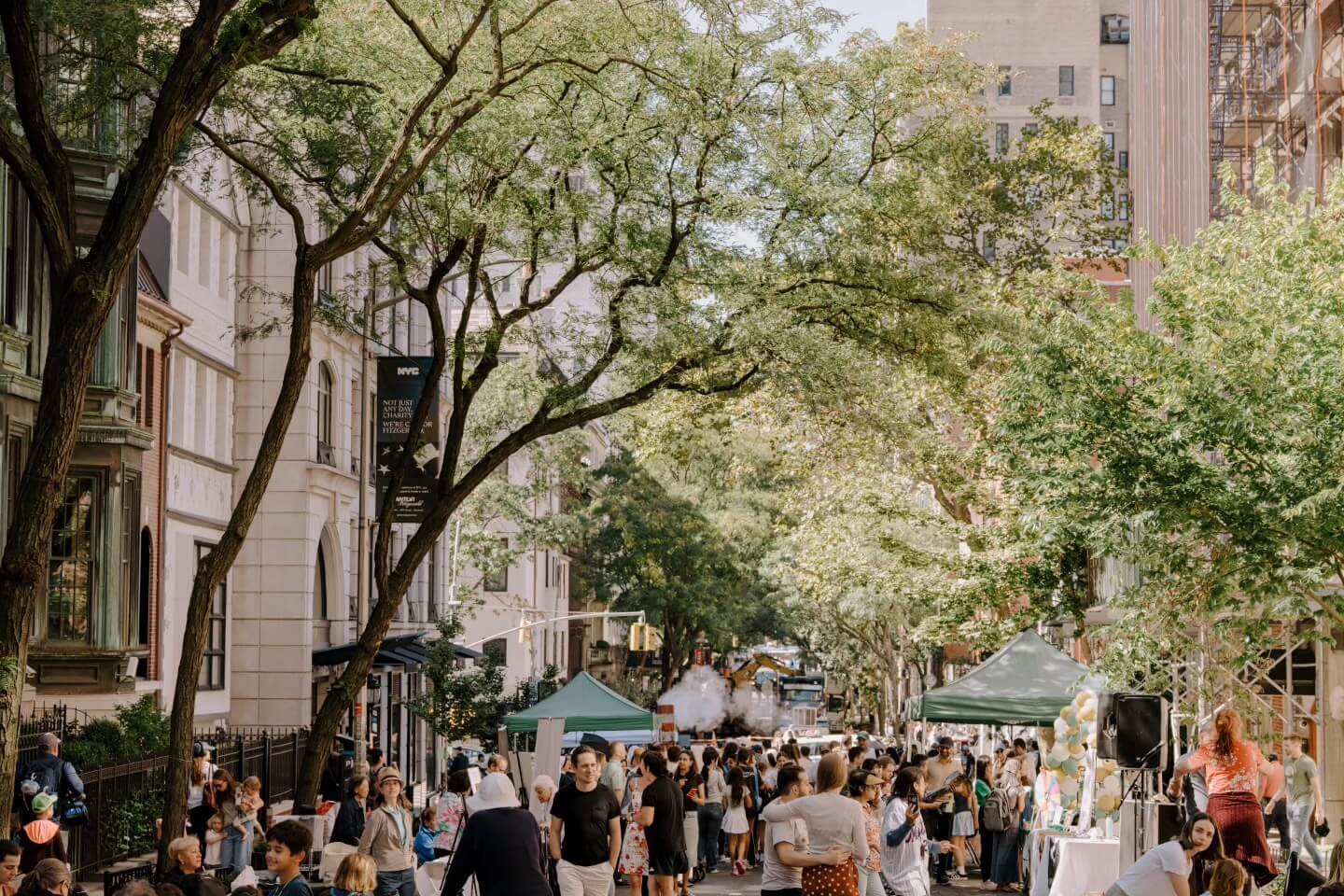
From his perspective as a Dominican and as Promoter of Vocations, one feature stands out in particular: many of those now seeking the Church are looking for a more substantial intellectual and spiritual framework than they have found elsewhere. He pointed especially to young men discovering St. Thomas Aquinas online and then reaching out to the Order.
“Many young people, men especially, are finding Aquinas online, and then seek to make contact with the Order. Our Dominican Young Adult activities are flourishing and the young people inspire me.”
His work at Radio Maria England offers another vantage point on the same development. Now in its sixth year, the station is seeing growing listener engagement and support, which he described as one more sign that, even amid broader institutional weakness, there remains strong spiritual energy on the ground.
“We are experiencing growth in listener numbers, listener interactions, and donations,” he said.
Lees did not minimize the wider difficulties facing the Church. He acknowledged that closures of parishes, schools and other institutions may continue before more visible growth takes hold. But his account places that reality alongside another one: a growing number of people eager to speak, to listen and to testify to faith.
“When I began as Priest Director, it was a struggle to fill our on-air schedule, now I regularly have inspiring people approaching me and asking for the opportunity to have a slot,” he said.
The harvest is ready in the Big Apple
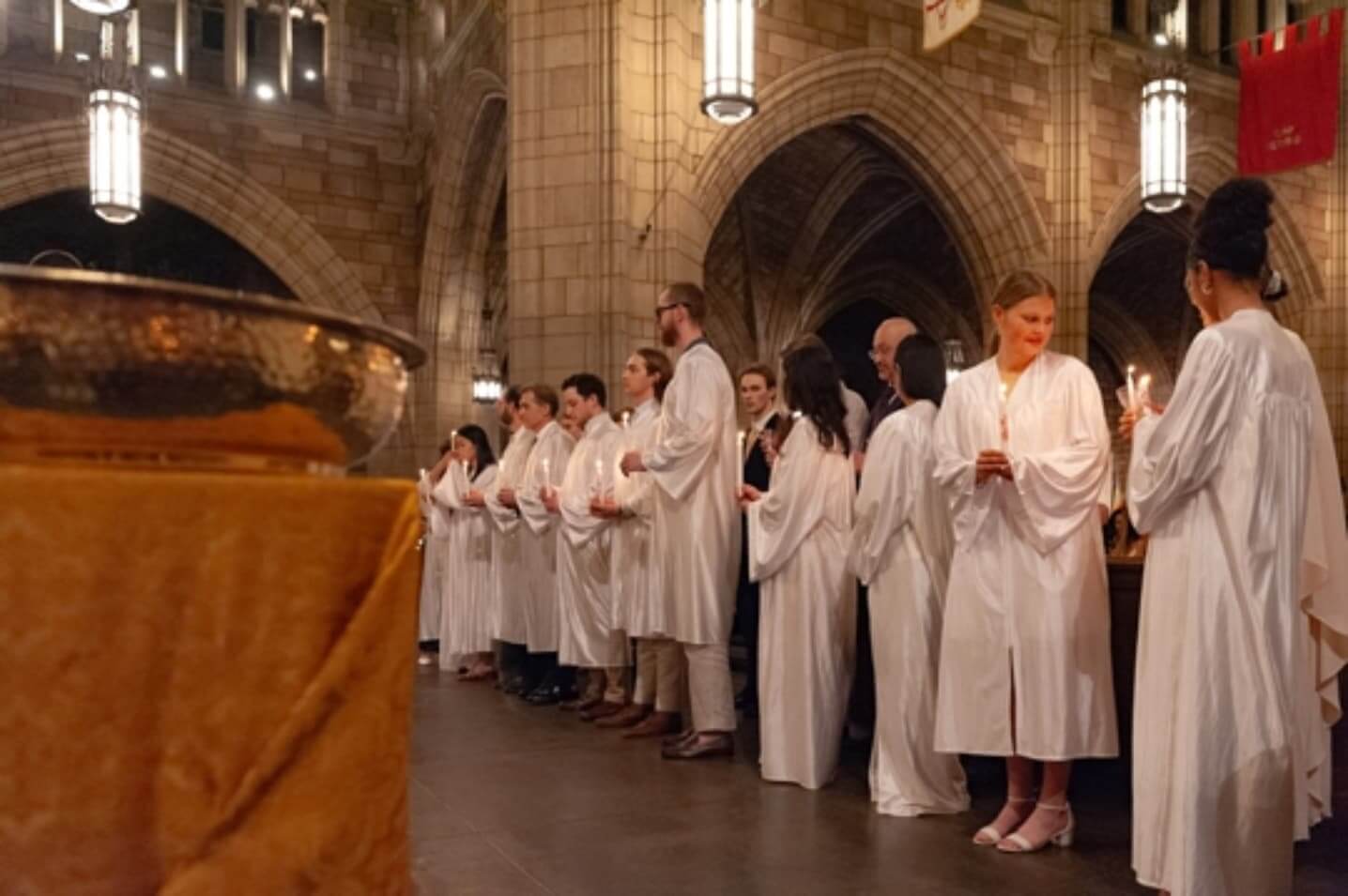
In New York City, the same momentum is appearing in parish life. At St. Vincent Ferrer, friars report that 59 people will receive sacraments at the Easter Vigil, with another 18 doing so at Pentecost, bringing the combined total to 77.
The atmosphere there, they said, has been marked by both pastoral intensity and gratitude. Fr. Peter Martyr Yungwirth, OP, described the moment in biblical terms.
“The harvest is ready! It’s been beautiful to see what the Lord is doing and how He’s bringing people to us,” he said. “From remarkable confessions to conversations with people seeking the Truth to parishioners who are bringing their friends, it is remarkable to see how present God’s graces are to His people.”
The parish’s response has not been improvised. Yungwirth said St. Vincent Ferrer has spent the past several years intentionally cultivating a spirit of community, so that those who begin asking questions about the faith can quickly find relationships that support prayer and Christian life.
“For the past couple of years, we have intentionally been cultivating a spirit of community in the Parish, and this has been a beautiful way to connect new people to someone else who is striving for Christian living,” he said. “When we meet with the seekers, we have a variety of parishioners who can help them get connected to others and help them navigate a life of prayer.”
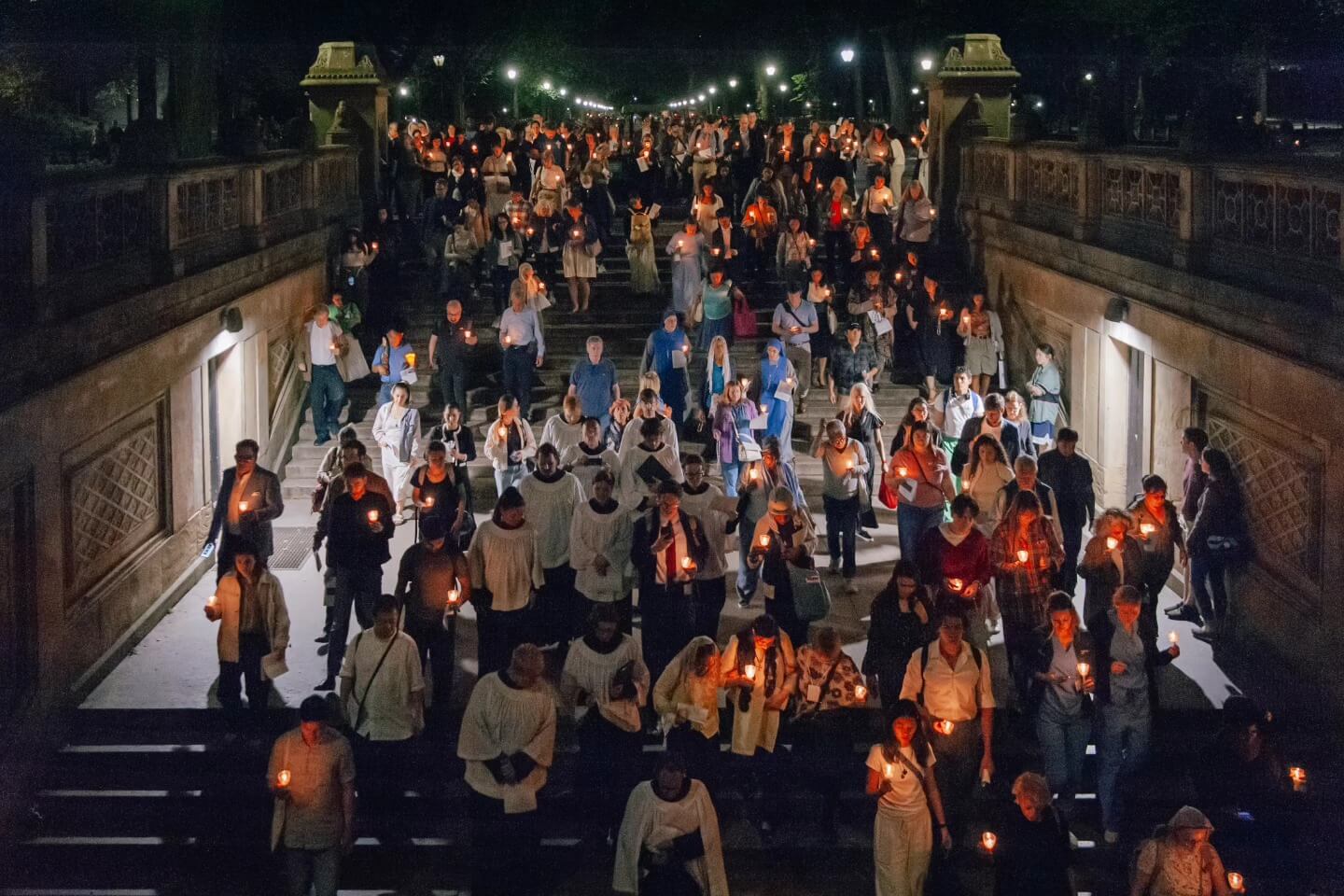
Fr. Cyril Stola, OP, described the experience of accompanying so many seekers during Holy Week as demanding, joyful and full of grace. “There’s lots to do! I’m loving Holy Week! When you’re working with 80 people seeking the sacraments then there’s lots of great conversations about God and conversion.” He recalled one woman he had received earlier this year who “wept to receive the Eucharist,” a moment that, for him, expressed something essential about the present moment: the Church is not merely attracting interest, but receiving people whose lives are being changed.
When asked why people are coming, the friars in New York resisted any single explanation. Yungwirth pointed to the action of grace in souls responding to God amid the pressures of modern life. Stola answered with characteristic bluntness: “God. And because living life without God sucks. But lots of reasons,” he said. Stola then sketched a broad set of paths that have led people toward the Church: prayer, depression, the search for purpose, discovery of the Eucharist, online apologetics, friendship, love, weddings, books (like Ross Douthat’s ‘Believe’) and the reassessment that can follow personal loss or professional upheaval. “So there’s lots of reasons,” he said.
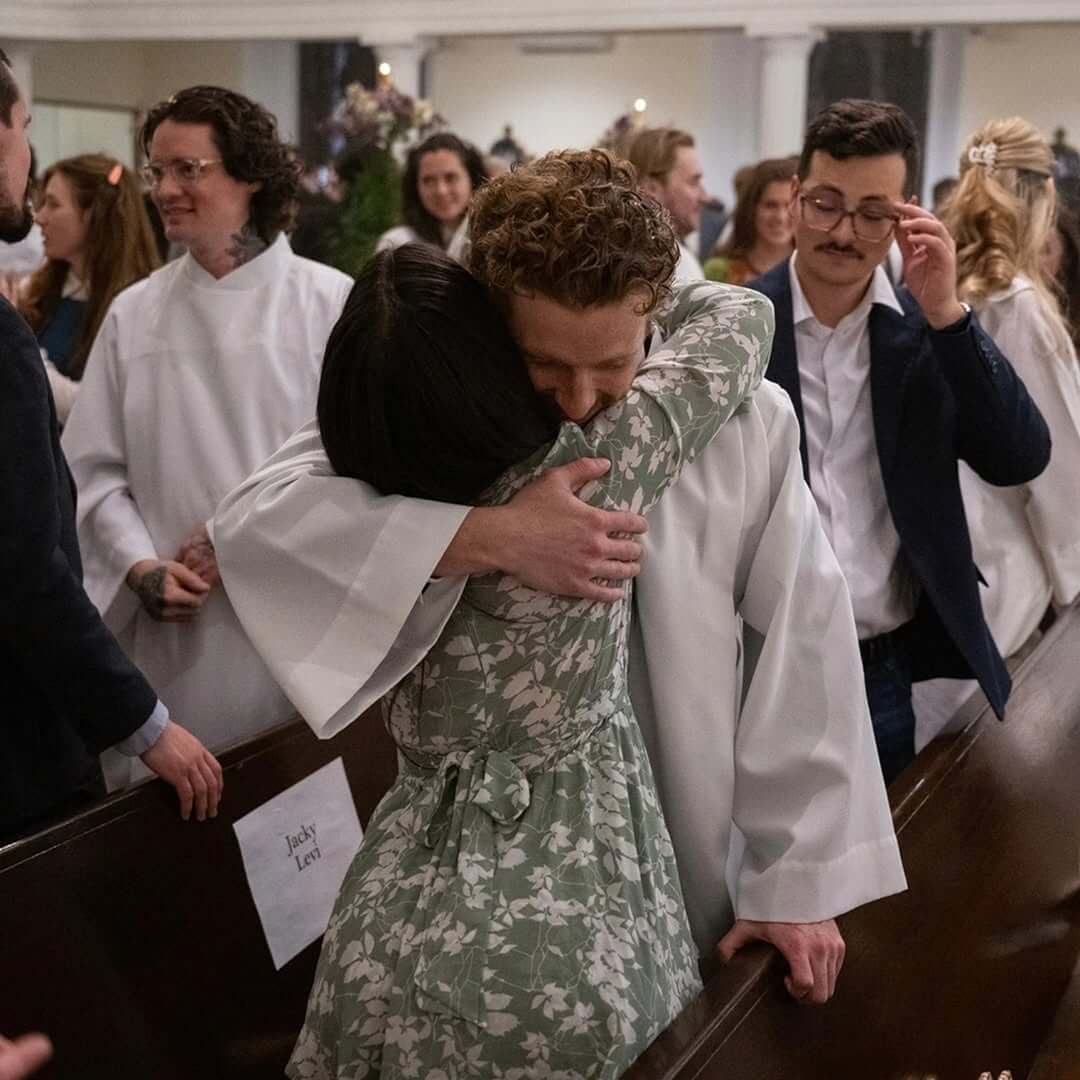
Elsewhere in Manhattan, St. Joseph’s Church in Greenwich Village is seeing the same pattern. There, 88 people will receive sacraments this year. Fr. Jonah Teller, OP, located that growth within both the character of the city and the charism of the Order.
“It’s a wonderful place to be a priest, and especially a son of St. Dominic,” he said. “Encountering so many people from so many different walks of life in this city is a powerful window, I think, into the heart of St. Dominic, who loved everyone and won the affection of those around him in return, especially the innkeepers of the world.”
Teller said young adults are not only looking for doctrine, but also for a form of life: one marked by friendship, purpose and reverence. At St. Joseph’s, he said, they find preaching, worship and concrete spaces in which Christian community can grow.
“We offer them reverent worship, preaching that speaks words of truth in tones of love, and a space for them to form true friendships with each other and the Lord.”
Hunger for the sacraments on campus
The same dynamic is visible in Bloomington, Indiana, where St. Paul Catholic Center at Indiana University will welcome 75 university students and young adults into the sacraments of initiation this Easter. Fr. Patrick Hyde, OP, said the growth continued so steadily through the year that the center had to move to an ongoing model of formation after at least 20 more catechumens and candidates joined midyear.
For Hyde, the growth in OCIA is part of a wider sacramental and pastoral vitality.
“We have seen a significant increase in Mass attendance, participation in Bible studies, and we experience long lines for Confession, often requiring multiple priests to be available to handle the demand,” he said.
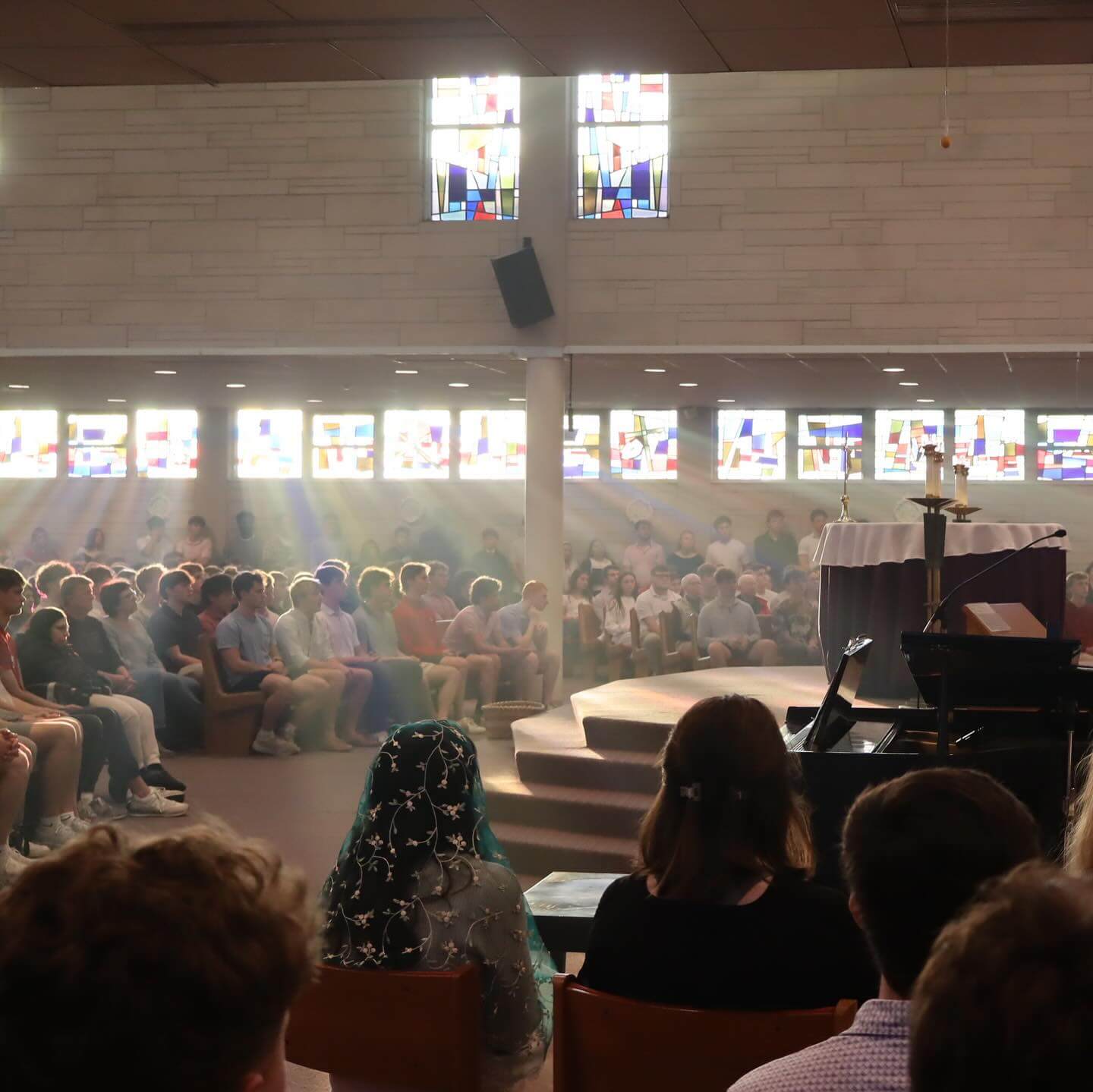
“They want their faith to impact every aspect of their lives and welcome the Church’s teachings and traditions as the primary path to happiness and fulfillment,” he said. Hyde connected that openness to disillusionment with the promises of secular living. Many of those entering the Church, he said, describe having pursued the satisfactions offered by modern culture only to find that those pursuits intensified rather than answered their longing.
“Yet, when they pursue those things, they only discover greater longing and a deeper desire for something more, something eternal,” he said. “So often in my conversations with the candidates and catechumens, they talk about how they made the decision to become Catholic because of our understanding of grace and ongoing conversion and sanctification.”
That process of conversion, he suggested, depends not only on good programs but on the visible, personal presence of priests among students. “We must build relationships with our young people and be available to them,” Hyde said. “As friars, our habit makes a clear witness of the hope of Christ in an often dark and difficult world.”
Across these, and other, Dominican communities, the same hopeful themes emerge: young adults seeking stable truth, liturgical beauty and a community oriented toward holiness. While friars note challenges in the wider Church, local accounts reveal the Holy Spirit actively at work through preaching, prayer, sacraments and personal encounter. These stories of grace and renewal offer a clear and encouraging sign that a quiet springtime of faith is already unfolding—and may yet spread far beyond these vibrant parishes.

